
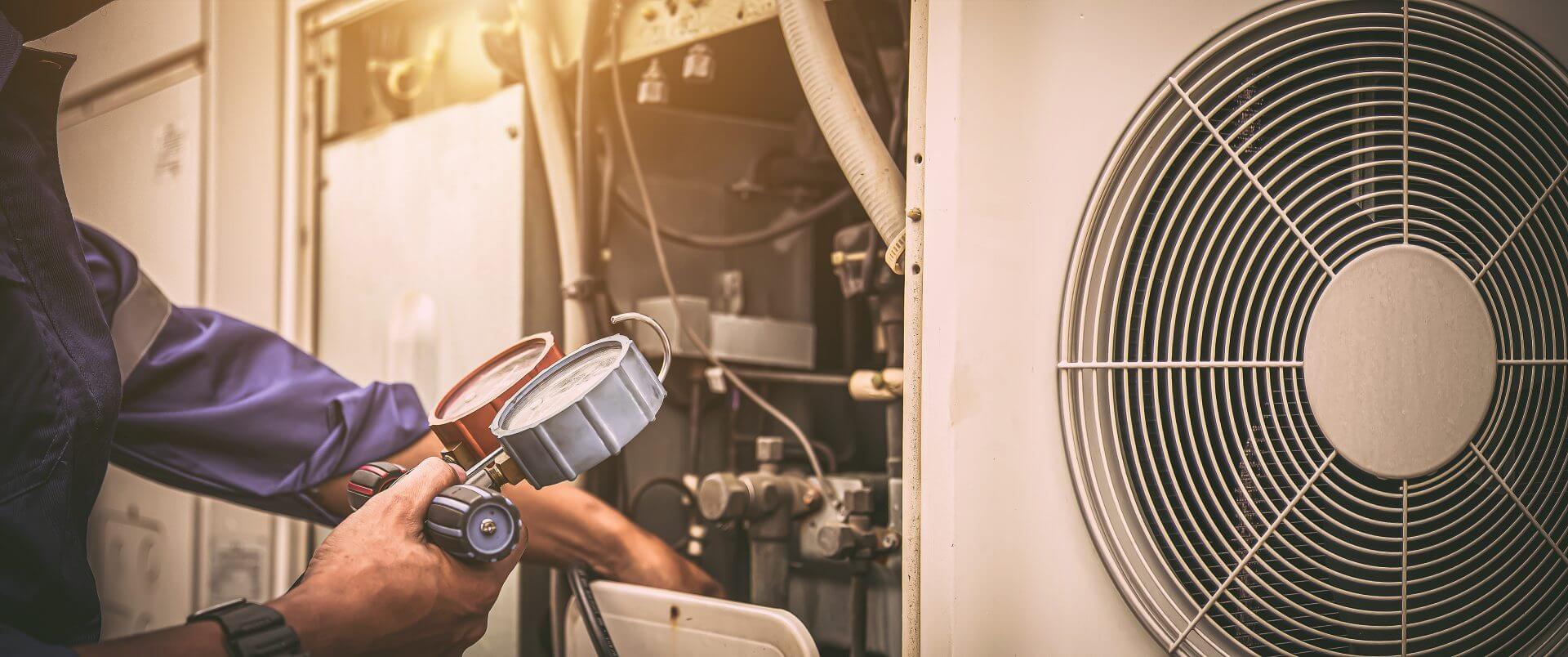
Regular HVAC maintenance is the smartest way to protect your home comfort and your wallet. Neglecting routine service can lead to expensive breakdowns, higher energy bills, and even premature system replacement. A small investment in preventative care today can save you thousands in the long run.
Why Regular HVAC Maintenance Matters
1. Preventative Care Saves Money
Routine HVAC tune-ups help identify small issues before they become major problems. Preventative maintenance reduces the risk of emergency repairs, which often cost far more than scheduled service.
2. Boost Energy Efficiency
A clean, well-maintained HVAC system runs at peak efficiency. This means lower energy consumption and reduced monthly utility bills—something every homeowner appreciates.
3. Extend System Lifespan
Replacing an HVAC system is a big expense. Regular maintenance helps your system last longer, delaying costly replacements and maximizing your investment.
4. Improve Indoor Air Quality
Dust, allergens, and pollutants can build up in your HVAC system. Regular cleaning and filter changes ensure cleaner air for your family, reducing allergy symptoms and improving overall health.
The Hidden Cost of Neglect
Skipping HVAC maintenance doesn’t just risk breakdowns—it can lead to skyrocketing energy bills and uncomfortable living conditions. In fact, neglected systems often consume 15–20% more energy than properly maintained ones. Over time, that adds up to hundreds of dollars wasted.
How Often Should You Schedule Maintenance?
Experts recommend scheduling HVAC maintenance at least twice a year—once before summer and once before winter. This ensures your system is ready for peak seasons and helps prevent unexpected failures.
Ready to Protect Your Comfort?
Don’t gamble with your comfort or finances. Schedule your HVAC maintenance appointment with Friedman Mechanical today and enjoy peace of mind knowing your system is in expert hands.
Learn more about energy efficiency at https://www.energy.gov/.
